

A huge thank you to ALLEA, part of SAPEA, and MTA for organising this timely discussion on integrity in science advice.
The president of the Hungarian Academy of Sciences, Professor Tamás Freund, emphasised that without integrity, science advice cannot fulfil its original purpose: providing independent, unbiased information required by policymakers. Professor Paweł Rowiński, President of ALLEA, highlighted the inseparable triangle of research integrity: integrity sustains trust, trust protects academic freedom, and freedom allows integrity to flourish. In times of geopolitical crisis and misinformation, safeguarding these principles is more vital than ever.
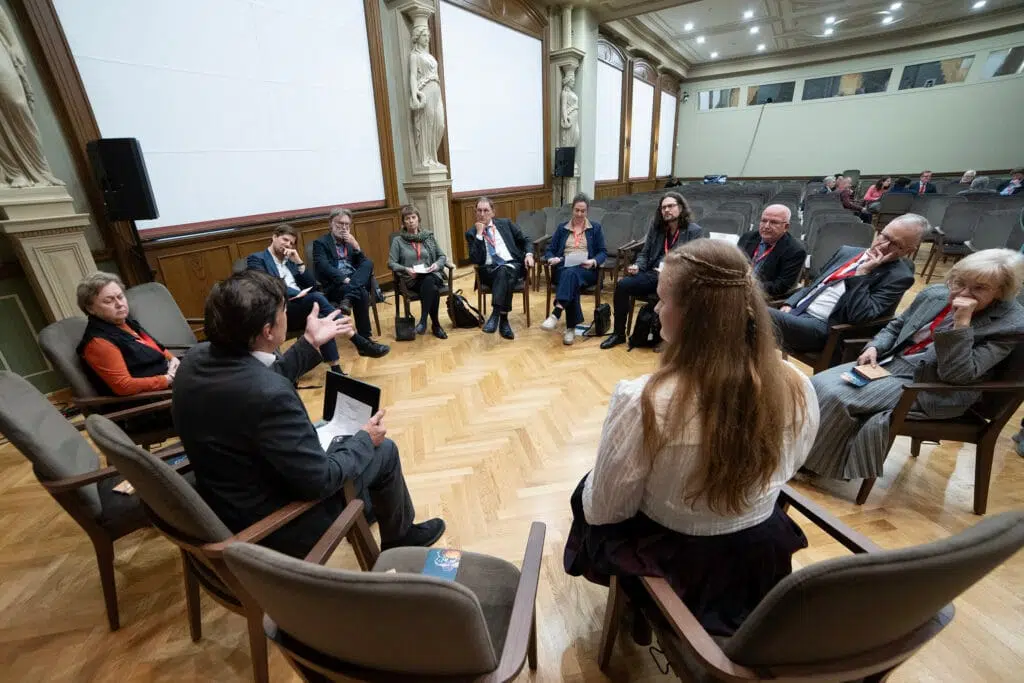
The collaborative atmosphere generated rich discussions on practical solutions and shared challenges across European academies. Thank you to everyone who participated in this conversation on science advice in Europe!
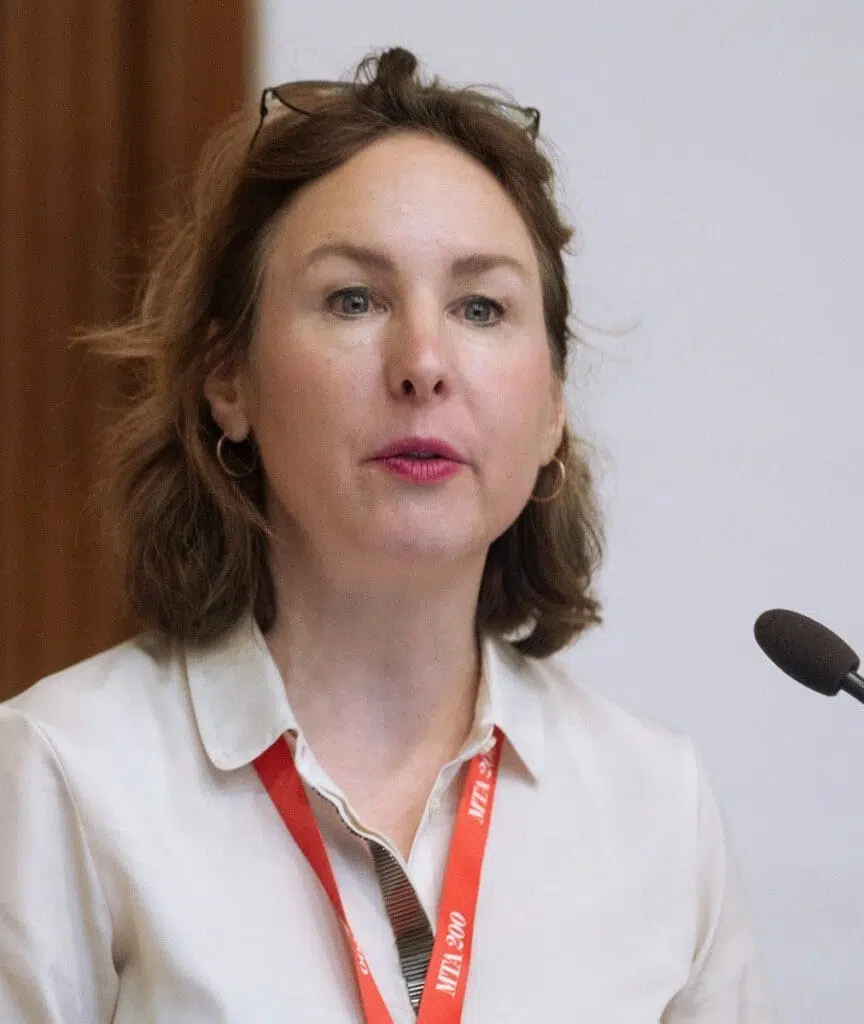 Professor Barbara Prainsack, Chair of the European Group on Ethics in Science and New Technologies, delivered the keynote, emphasising that integrity entails transparency about uncertainties, independence from vested interests, and inclusivity of diverse perspectives. “Integrity in science advice grows from trustful and transparent relationships between experts, policymakers, and citizens”. She warned of AI’s potential to de-skilling institutions and emphasised the importance of "democratic listening", which involves hearing diverse perspectives while upholding shared standards of truth.
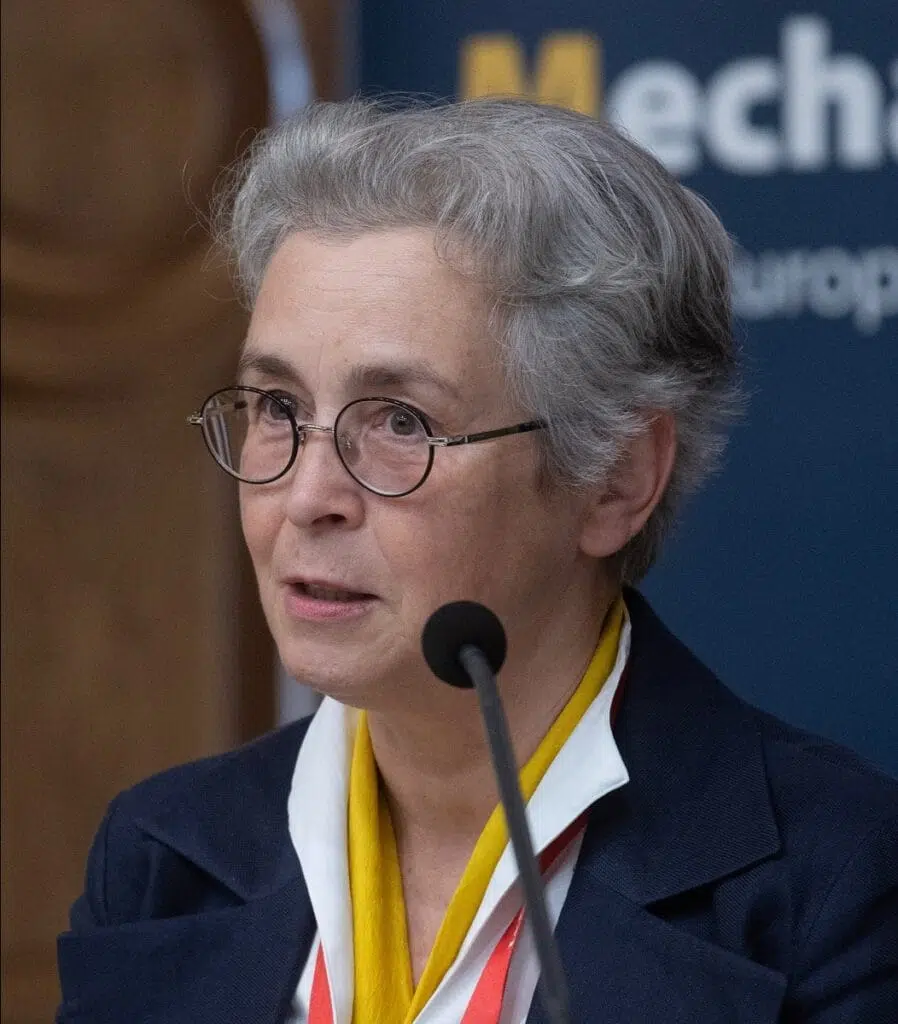 During the panel discussion, Professor Ana Marušić highlighted the crisis of paper mills and the issue of fake authorship in publishing. She stressed the need for transparency and advocated for "human in the loop" oversight when using AI tools.
Professor Peter Lund warned that "AI can lie" and may undermine human dignity. He called for audited communication channels and incentives for scientists to become better communicators.
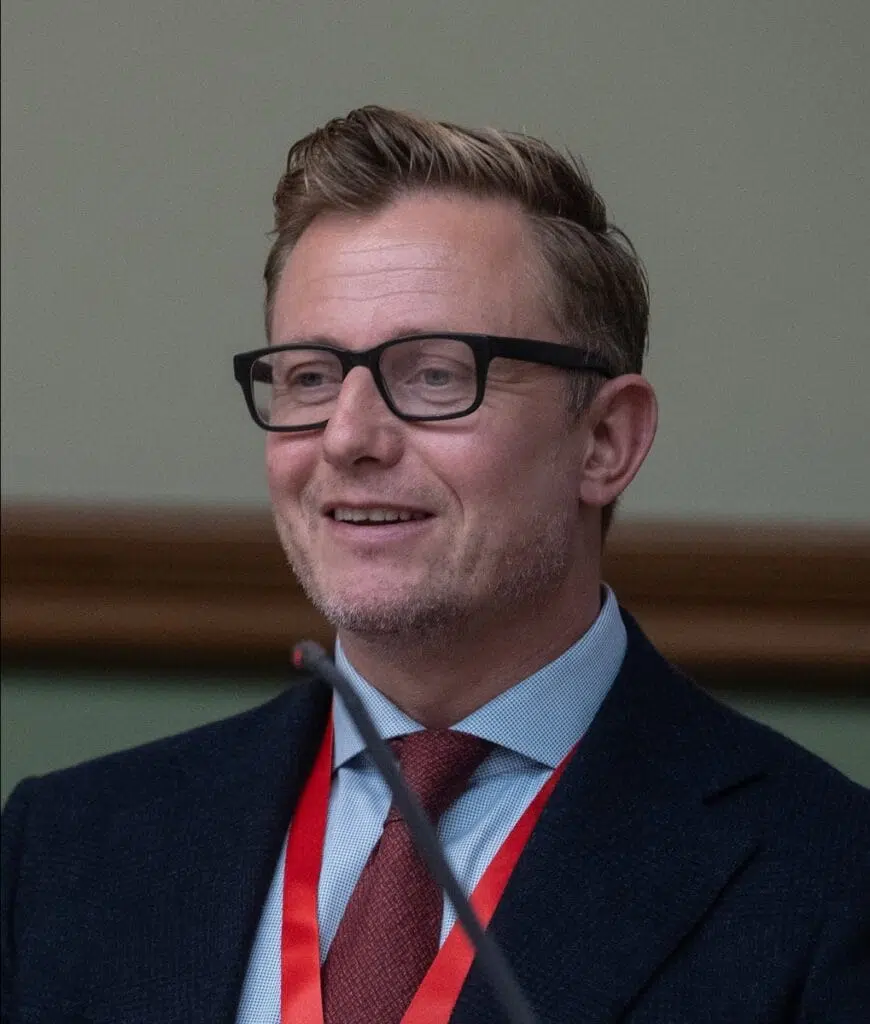 Professor David Budtz Pedersen noted that AI language models provide different answers each time, rendering it impossible to verify the results. His research found that policymakers often trust advisors who understand how government works more than advisors who focus on being independent experts with impressive qualifications.
Dr Markus Prutsch, senior researcher and administrator at the European Parliament, highlighted the challenge that policymakers might pose: "Do we still need science?" when AI offers instant answers. He stressed the importance of personal trust and emphasised that science offers "best available knowledge", not "ultimate truth."
Watch the full recording on our YouTube channel.
Photo credits: Tamás Szigeti and MTA Communications